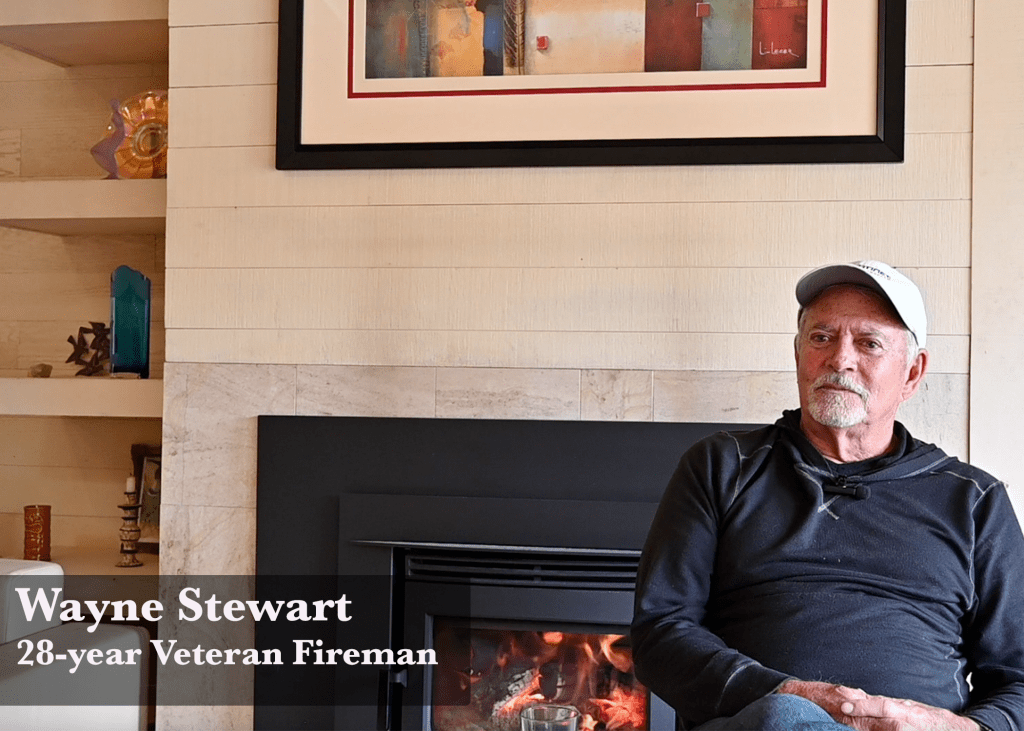
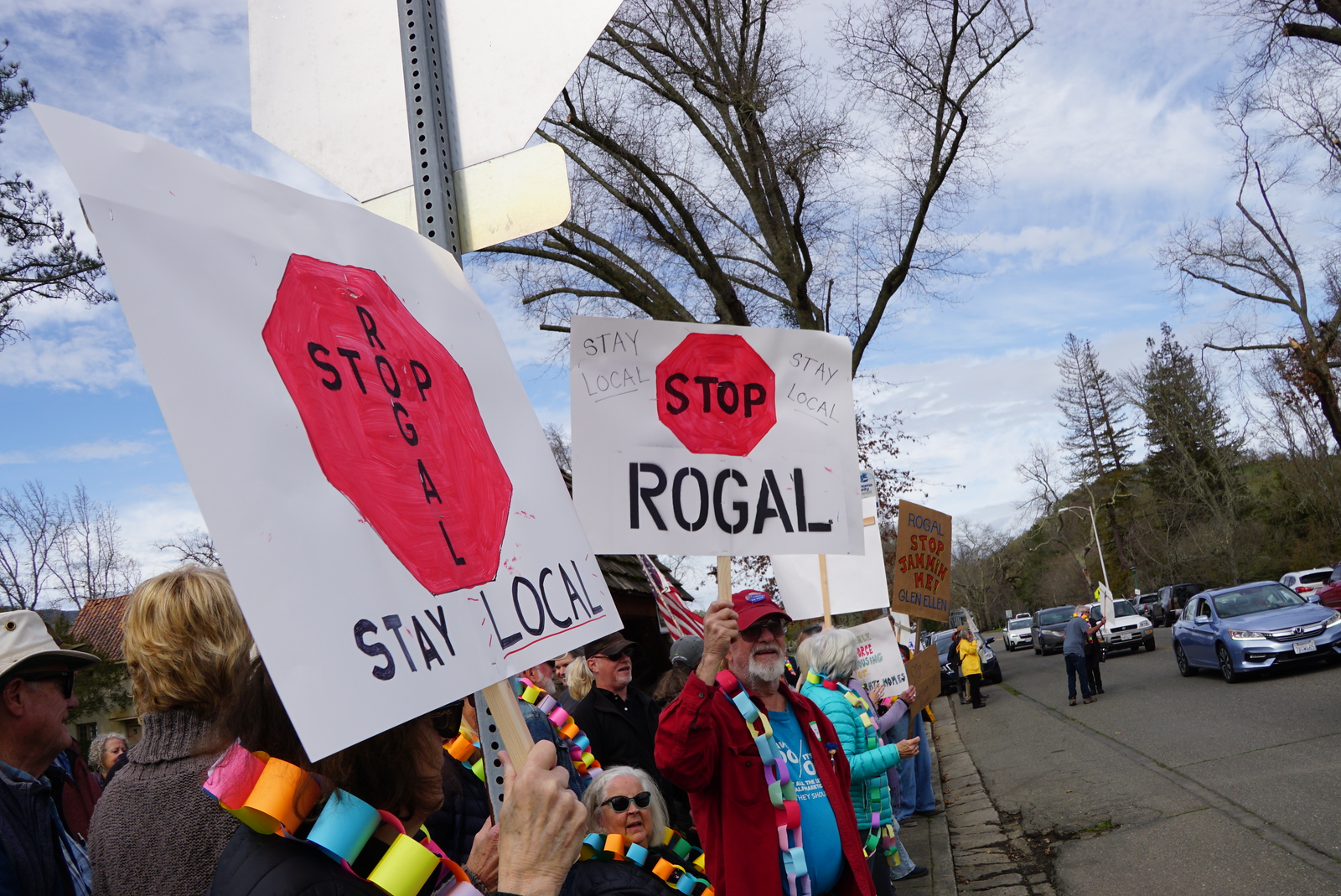
In a wildfire-prone region of California, a small rural community takes a stand against a massive luxury development threatening to destroy a critical wildlife habitat and their way of life—exposing the high stakes of unchecked urban expansion in an era of climate crisis.
SMALL IS BEAUTIFUL is a short documentary that captures a high-stakes local battle — and reveals how sweeping state housing mandates are quietly reshaping California’s landscape in the name of “progress.”
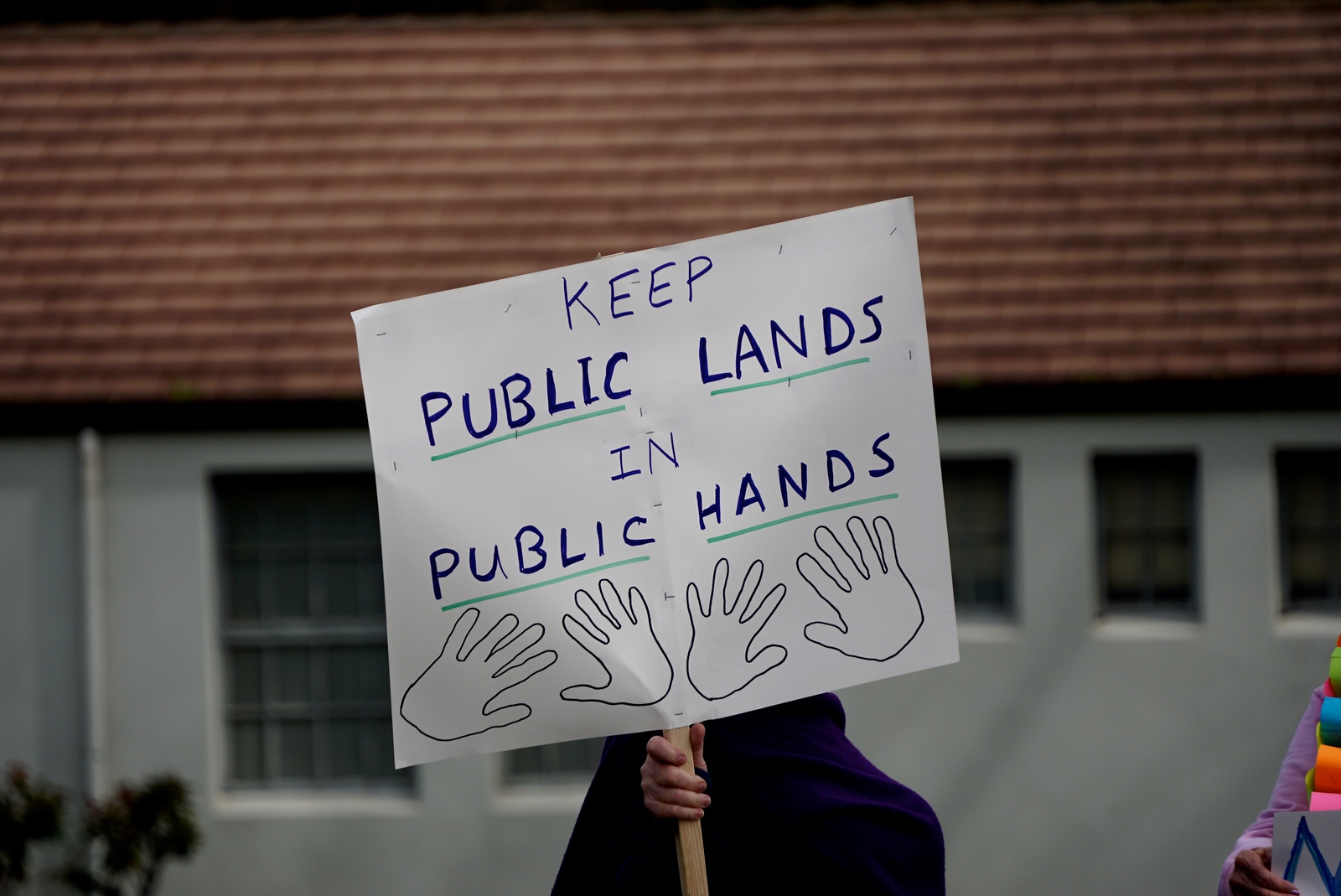
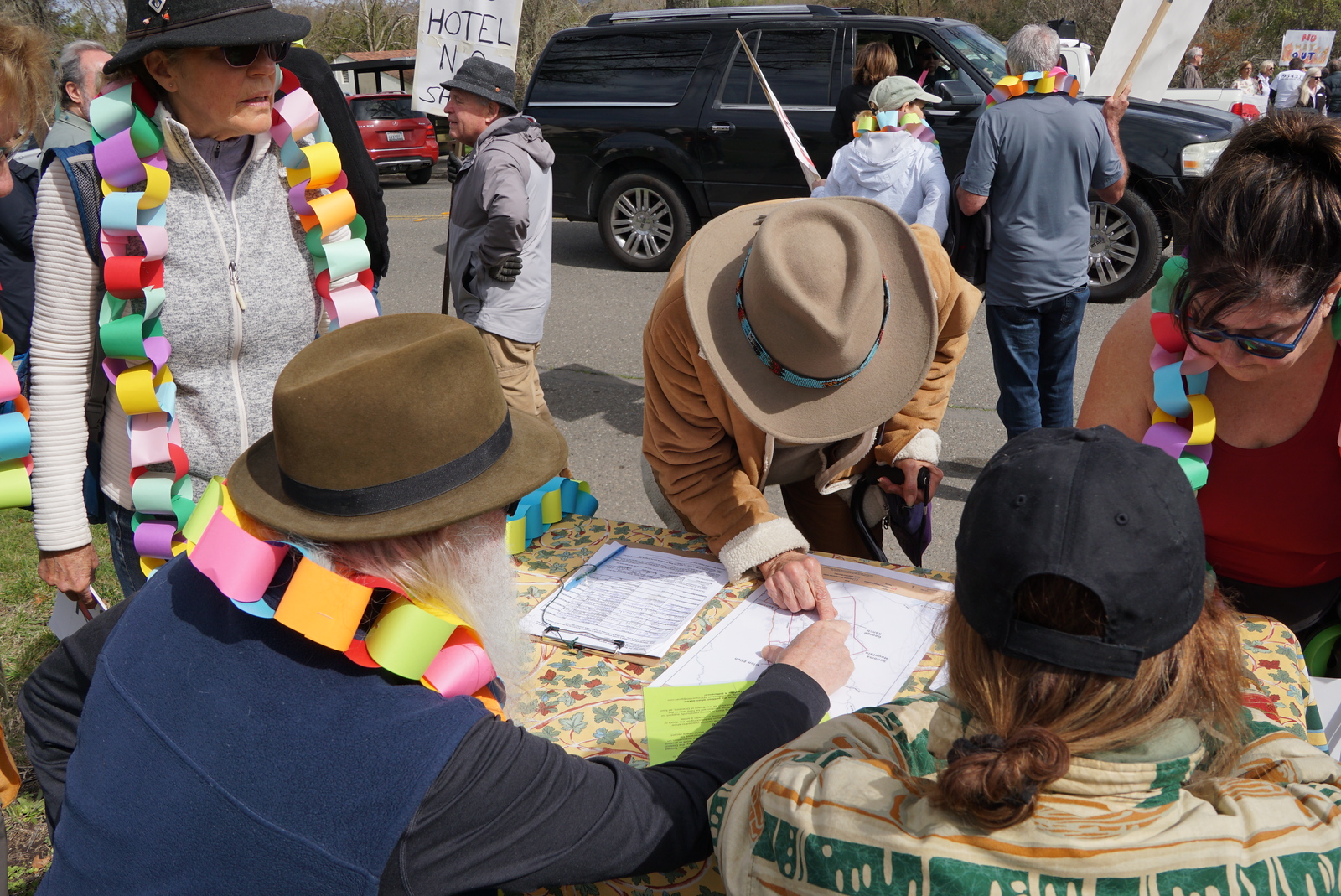
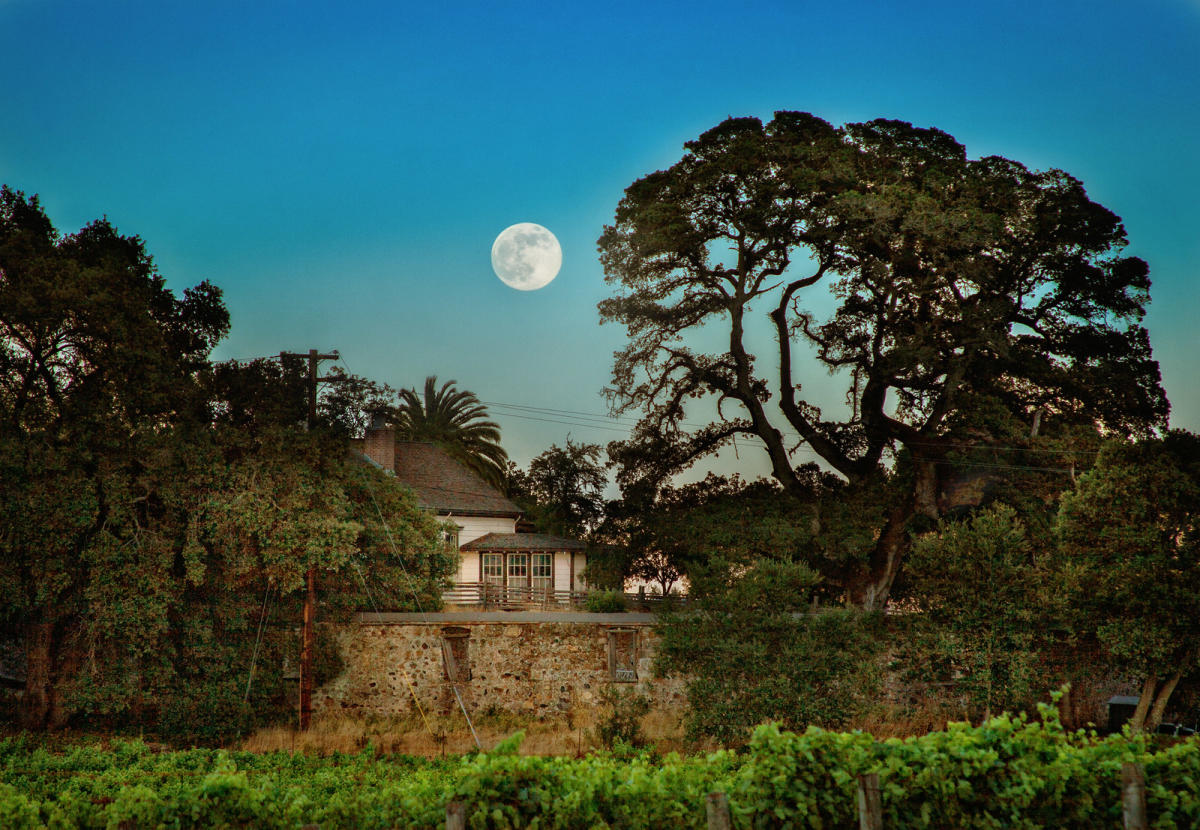
At the center of the story is the Sonoma Developmental Center (SDC) — a state-owned property nestled between the towns of Eldridge and Glen Ellen, at the base of Sonoma Mountain. This ecologically sensitive area serves as a key migratory corridor for wildlife and lies within a high-risk wildfire zone, already scarred by catastrophic fires. Despite this, the state has backed a development plan that includes 990 housing units, 400,000 square feet of commercial space, and a luxury hotel with a conference center — all without meaningful infrastructure upgrades. Narrow two-lane roads, limited water supply, and lack of fire-safe evacuation routes make the proposal not just controversial — but dangerous.
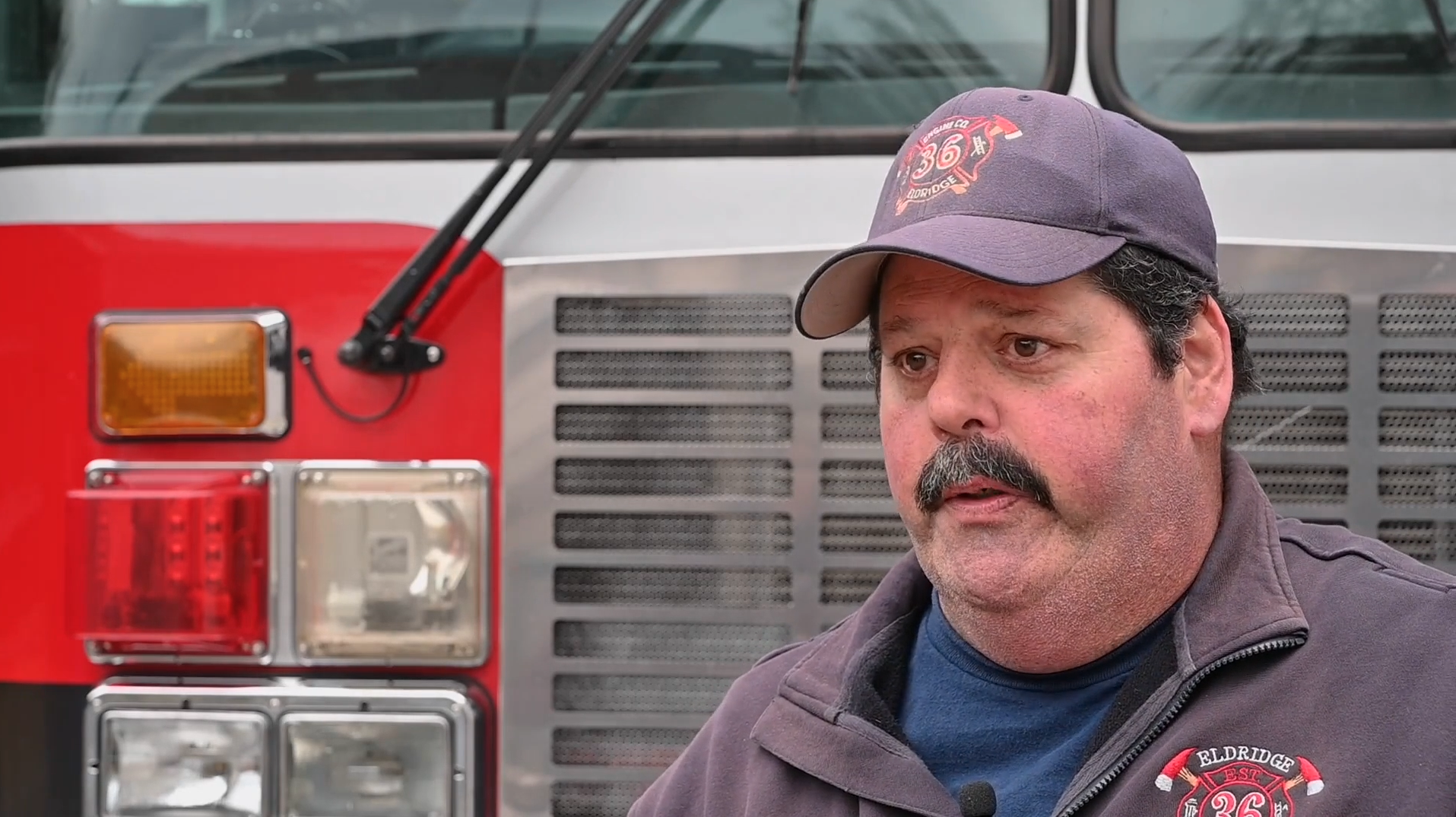
Local fire professionals, environmental scientists, and community leaders raise urgent concerns. But the deeper story is systemic. SDC is not an outlier — it is a case study in a broader statewide policy shift driven by California’s aggressive housing mandates. Under these new laws, cities and counties are being compelled to approve large-scale, high-density developments — regardless of environmental constraints, infrastructure readiness, or community input.
The legislation, often framed as a necessary solution to the state’s housing crisis, overrides local zoning laws and environmental protections like CEQA. It fast-tracks developments under the guise of “affordable housing,” while in practice delivering projects where up to 88% of units are market-rate or luxury, as seen at SDC. Public oversight is diminished. Environmental review is bypassed. The result is an explosion of urban-scale development in small towns and wildland interfaces — precisely where wildfire and drought risks are most acute.
SMALL IS BEAUTIFUL explores this growing disconnect between supply-side housing policy and on-the-ground realities: climate risk, biodiversity collapse, rural identity, and the hollowing out of local democratic control. With five additional large-scale developments proposed nearby — and hundreds more across the state — the stakes go far beyond one valley.
Who benefits from this new development regime? Who decides what “affordable” means? And what future are we building — for whom, and at what cost?
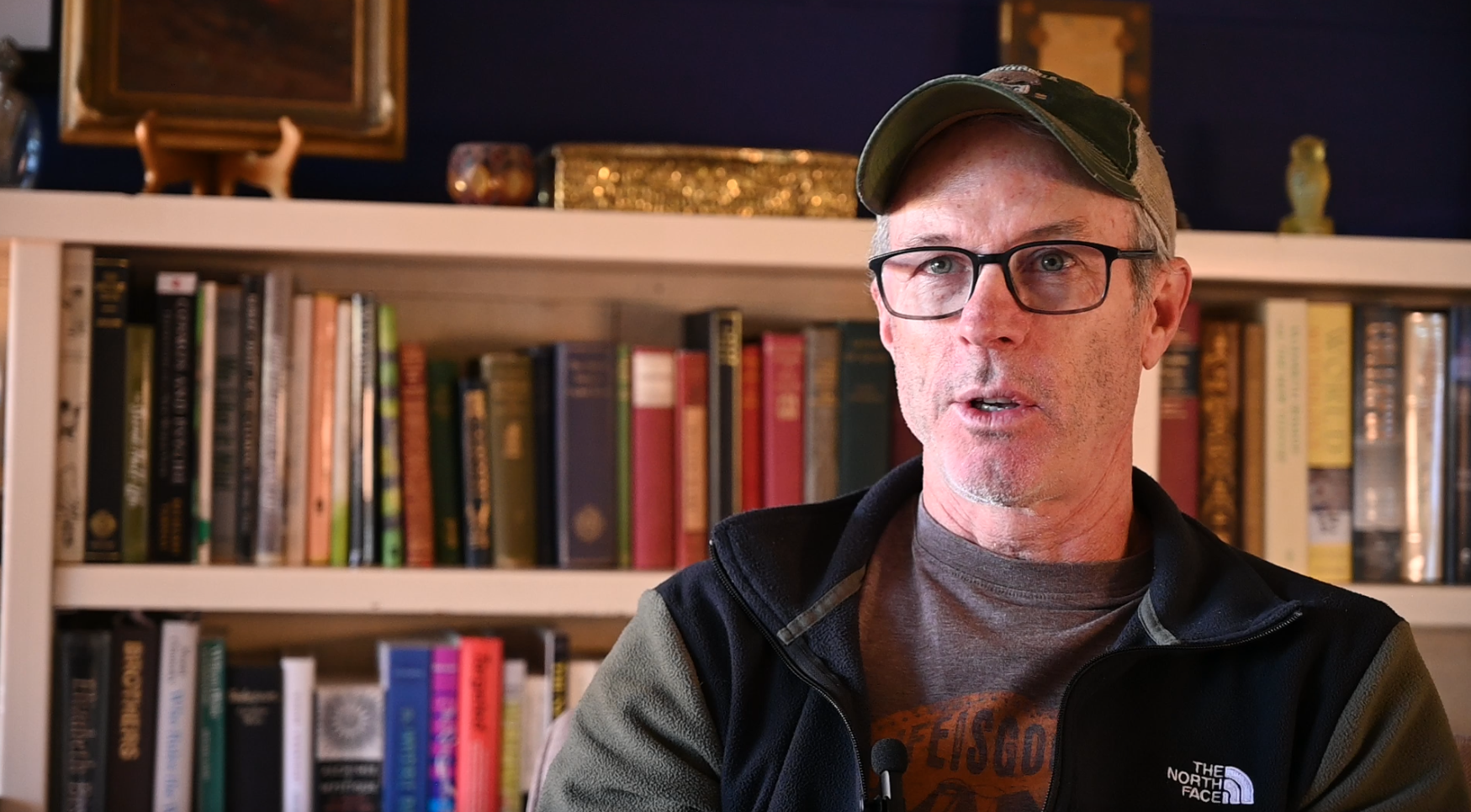
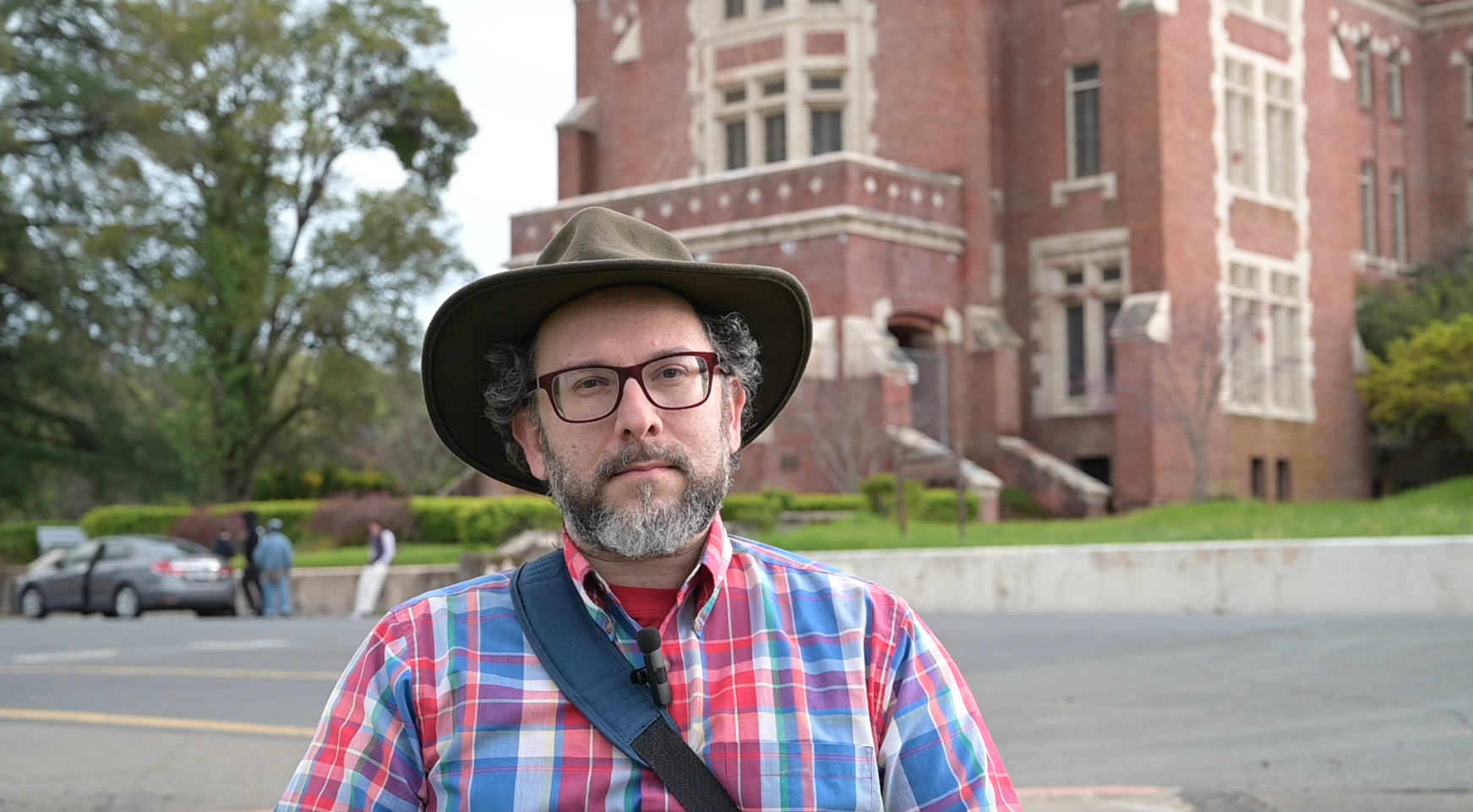
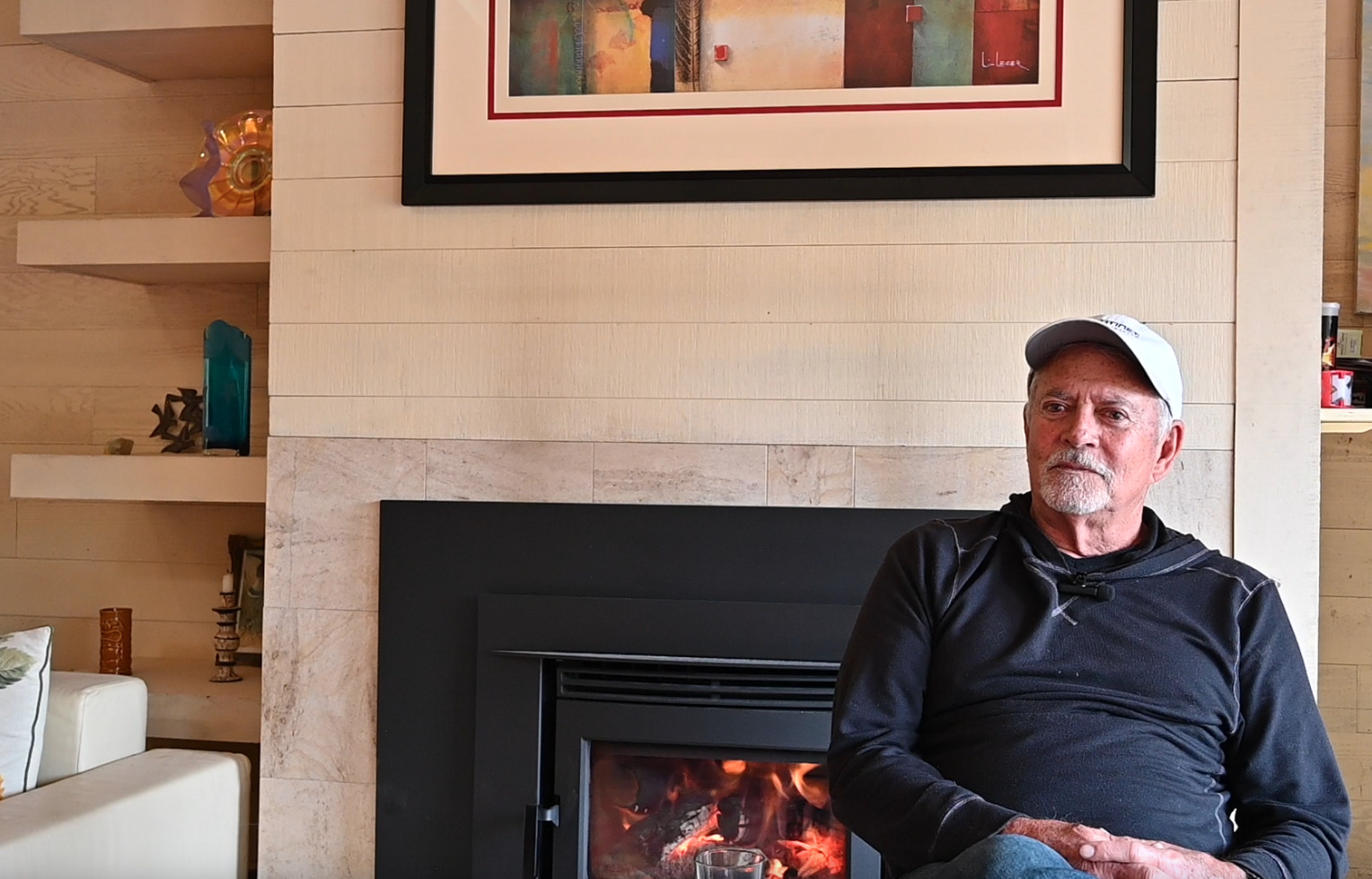
Featuring powerful testimony from fire chiefs, environmental experts, housing justice advocates, and a former San Francisco Housing Commissioner turned whistleblower, SMALL IS BEAUTIFUL challenges audiences to see beyond the headlines and into the heart of a policy juggernaut — one that may well be fueling the next disaster.



Infinite growth of material consumption in a finite world is an impossibility.
About the Turtle Island Films Filmmakers:
Carolyn M. Scott is an Emmy-nominated, award-winning filmmaker, visual storyteller, creative director, and environmental educator with more than 25 years of experience spanning film, education, and environmental advocacy. In recognition of her work, Scott received the Women Taking the Lead to Save the Planet! Award from the National Women’s History Project—a one-time honor shared with 100 women worldwide, including Jane Goodall, Helen Caldicott, and Rachel Carson.
Scott directed the Emmy-nominated feature documentary Texas Gold, an intimate portrait of Gulf Coast shrimper and environmental activist Diane Wilson as she confronts petrochemical corporations in the most polluted place in the United States – the Texas Gulf Bays. The film screened at more than 30 international festivals and was acquired for national broadcast by the Sundance Channel and PBS.
Her award-winning feature documentary Small Is Beautiful follows a rural Northern California community fighting a massive luxury development threatening a wildlife sanctuary and their way of life, set against the backdrop of escalating wildfire risk and climate instability. Scott also directed and produced Roundup Wine, a satirical animated short examining the presence of glyphosate in California wines, using humor and visual storytelling to illuminate environmental health research.
Over the past two decades, Scott has also produced numerous short films as a volunteer filmmaker for nonprofit organizations, helping mission-driven groups tell stories that advance environmental protection, community resilience, and social change. She does not take profit from her filmmaking work and describes her production practice as a “Zero Profit Production” model, reinvesting creative labor in causes and communities rather than commercial return.
In addition to her filmmaking, Scott has worked as an environmental educator and curriculum developer in the San Francisco Bay Area, teaching in low-income public schools and creating original curricula focused on endangered species, environmental stewardship, and experiential science education.
She is also a founding partner of Cool Planet Labs, a nonprofit think tank dedicated to mass mobilization around climate solutions. There, she leads creative direction and storytelling strategy and is currently developing EarthAtlas, a youth-led solutions library designed to empower students and educators to co-create a living atlas of nature-based climate solutions.
Scott’s work bridges art, advocacy, and education—amplifying community voices and advancing stories that inspire resilience, accountability, and collective action.
Denny Thomas, Editor
Denny Thomas is a Peabody Award-winning editor with a gift for shaping powerful, socially resonant documentaries. His work has been recognized with some of the industry’s highest honors, including the 2018 Emmy Award for Outstanding Editing (News) and the American Cinema Editors’ “Eddie” Award for the acclaimed Charlottesville: Race and Terror, which also earned a Peabody Award the same year. In 2017, he received a Primetime Emmy nomination for his work on Assad’s Syria.
Denny’s editing has elevated films for HBO, PBS, Netflix, and major festivals like Sundance and Tribeca. Most recently, he brought his discerning eye and editorial precision to SMALL IS BEAUTIFUL, helping to transform a complex policy exposé into a visually striking and emotionally grounded narrative about climate, community, and resistance.
Gary Liess, Director of Photography Gary is a environmental filmmaker and producer. He co-produced award-winning documentary TEXAS GOLD, and was DP on SMALL IS BEAUTIFUL. He loves making films that support good causes and that can change the world.
Catherine Joy, Composer an Australian-born composer, producer, and educator based in Los Angeles, known for scoring films, documentaries, TV, and video games. She has worked on projects for Disney, HBO, Hulu, Sony, Discovery, and the History Channel, and contributed to the Oscar-nominated score for Minari.
Her awards include Best Documentary Score for Gold Balls and an ASCAP Composers Choice Award nomination for Naughty Books. She is founder and CEO of Joy Music House and has served as president of the Alliance for Women Film Composers. Joy also teaches film scoring at NYU Steinhardt.
She holds degrees from Cornish College of the Arts and Boston University and plays violin, piano, and guitar.

 SMALL IS BEAUTIFUL